Layered Materiality: Crafting Depth and Durability in Luxury Urban Interiors

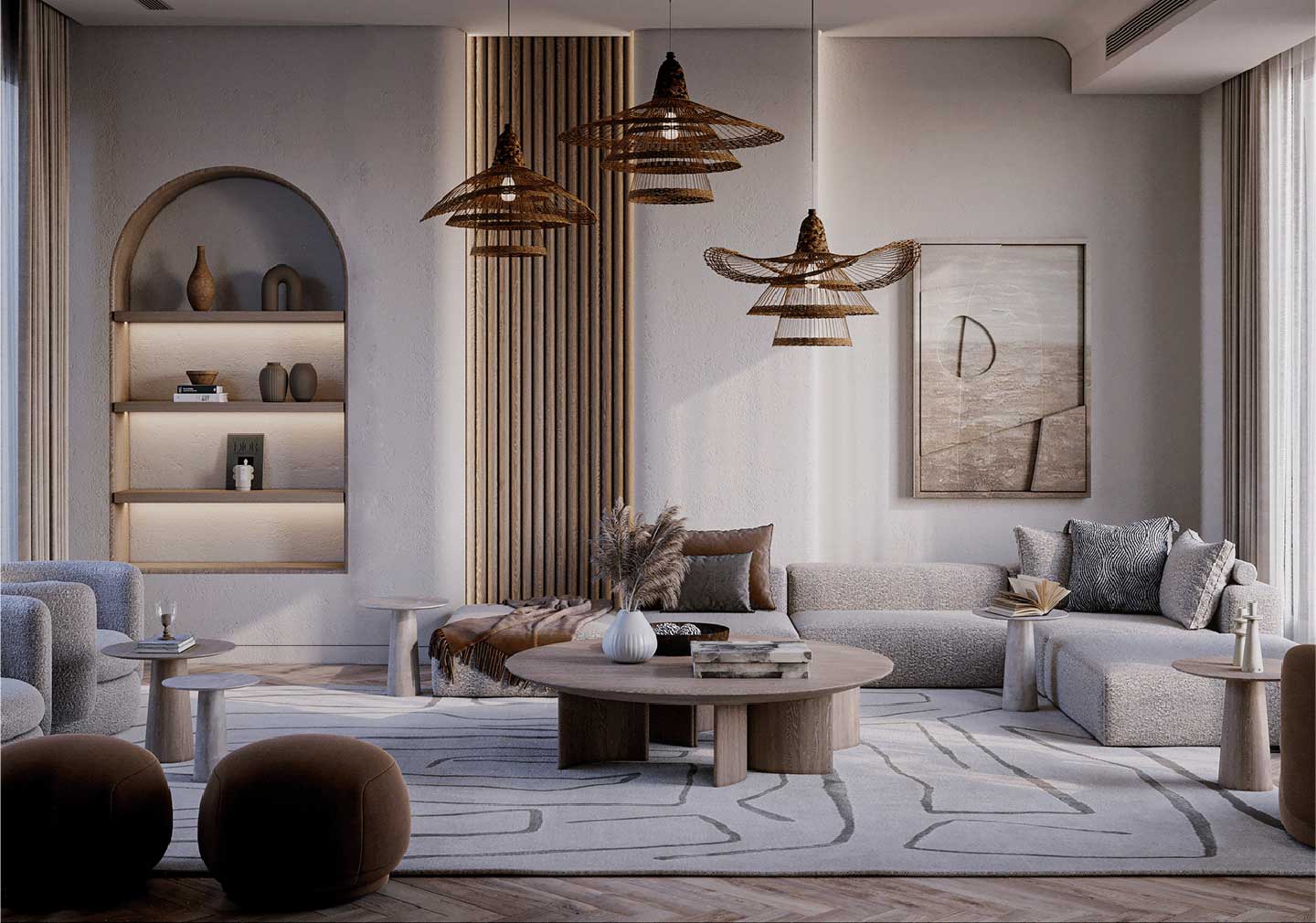
In the evolving world of interior design, where aesthetics meet functionality, the concept of layered materiality has emerged as a defining approach for luxury urban interiors. This trend goes far beyond choosing high-end finishes or designer furniture—it’s about the deliberate orchestration of textures, tones, and materials to evoke depth, tactility, and timelessness. The modern luxury home is no longer about excess; it’s about refined layers that tell a story of craftsmanship, sustainability, and sensory richness.
Understanding Layered Materiality in Interior Design
Layered materiality refers to the thoughtful combination of various materials—natural, synthetic, raw, and refined—within a cohesive interior environment. The designer’s goal is to create visual depth and emotional resonance, transforming flat spaces into dynamic compositions that age gracefully over time.
Rather than focusing on uniform finishes, this approach celebrates contrast: rough against smooth, matte against gloss, cool stone beside warm timber. The beauty lies in balance and subtle tension, allowing materials to speak for themselves.
The Philosophy Behind Material Layering
At its core, layered materiality is about sensory storytelling. Every surface and texture contributes to the narrative of a space. The materials are not selected merely for looks—they convey identity, cultural memory, and emotional warmth.
In luxury urban design, where space is often at a premium, layering materials allows designers to enhance depth perception without physically expanding the area. It transforms confined apartments into sophisticated environments that feel tactile and multidimensional.
This philosophy challenges the “perfectly polished” aesthetic that dominated interiors for decades. Instead, it embraces imperfection as authenticity—highlighting organic textures, visible grain patterns, and naturally occurring variations that bring life and honesty to interiors.
Key Elements of Layered Materiality
1. Contrast of Textures
Texture contrast is the foundation of layered materiality. Designers experiment with tactile differences to evoke emotion and visual intrigue.
-
Soft vs. Hard: Pairing plush velvet with exposed concrete or honed marble with boucle upholstery.
-
Matte vs. Glossy: Balancing reflective lacquer finishes with absorbent natural stone or lime plaster.
-
Smooth vs. Grainy: Using hand-brushed metals beside rustic reclaimed wood.
These juxtapositions create dynamic tension—a sense that the space is alive and ever-changing under different light conditions.
2. Material Authenticity
Authenticity is a hallmark of modern luxury. Using genuine materials—solid wood, real stone, natural fabrics—adds integrity to design. Synthetic alternatives, while durable, often lack the aging narrative that natural materials develop over time.
Designers now prioritize materials that evolve with use—patinated bronze, aged oak, burnished leather—all of which tell a story through their transformation. The emphasis is not on perfection but on personality.
3. Layered Lighting to Amplify Materiality
Lighting is the invisible partner in material design. Without strategic illumination, even the most exquisite materials can appear flat or lifeless. Layered lighting accentuates the textures and depth of materials.
-
Ambient lighting defines the overall tone.
-
Accent lighting highlights key surfaces, such as textured walls or architectural elements.
-
Task lighting ensures functionality while adding sculptural value.
In high-end interiors, designers often integrate concealed LED strips, wall washers, and bespoke light fixtures that emphasize texture and enhance spatial drama.
4. Material Zoning and Spatial Flow
Layered materiality can also guide movement within a space. By changing materials subtly between areas, designers create visual zoning without physical partitions.
For example:
-
Transitioning from cool stone flooring in the entryway to warm timber in living areas creates a psychological sense of comfort and invitation.
-
Shifting from polished brass accents in social zones to brushed nickel in private spaces establishes a calming contrast.
These gradations enhance flow while reinforcing each zone’s identity.
5. Cultural and Contextual Relevance
True luxury honors its context. Layered materiality often draws from local craftsmanship and heritage materials. In urban environments, where cultural diversity thrives, designers merge global influences with local authenticity.
For instance:
-
In a New York penthouse, reclaimed brick or steel might reference the city’s industrial past.
-
In Dubai, rich onyx and mother-of-pearl inlays reflect regional opulence.
-
In Tokyo, minimalist stone and wood celebrate wabi-sabi restraint.
Such integrations lend narrative depth and ensure the space resonates with its surroundings.
The Role of Sustainability in Material Layering
Modern clients demand not only beauty but ethical design. Sustainable luxury emphasizes materials that are locally sourced, recyclable, or naturally regenerative. The challenge lies in merging ecological consciousness with aesthetic refinement.
Designers achieve this through:
-
Reclaimed and upcycled materials: Reusing aged timber beams or repurposing antique metalwork.
-
Natural, low-impact finishes: Lime-based paints, clay plasters, or plant-derived oils that age gracefully.
-
Modular compositions: Allowing future redesigns without wasteful demolition.
Layered materiality aligns seamlessly with sustainability because it values longevity over trends, encouraging materials that endure both physically and emotionally.
Integrating Technology Without Disrupting Material Harmony
In the age of smart homes, integrating technology without disrupting material harmony is an art form. Designers embed smart lighting, concealed speakers, and digital climate systems within natural finishes to maintain a seamless aesthetic.
For example:
-
Invisible switches and sensors integrated into wooden wall panels.
-
Acoustic textiles that double as decorative wall coverings.
-
Smart glass that shifts opacity while preserving clean sightlines.
The result is an intelligent environment where innovation enhances comfort without compromising material authenticity.
Achieving Layered Materiality: Design Strategies for Professionals
-
Curate a Material Palette with Intent: Begin by selecting a primary material that anchors the design—such as oak, marble, or linen. Then layer complementary materials that balance tone, texture, and temperature.
-
Experiment with Scale and Proportion: Combine large slabs of stone with intricate woven details or micro-textures for contrast.
-
Prioritize Tactile Experience: Every surface the user touches should elicit a sensory response—smooth, cool, soft, or warm.
-
Balance Restraint and Richness: Too many materials can overwhelm; too few can appear sterile. The art lies in curated complexity.
-
Evolve Over Time: Allow materials to develop patina, adding emotional value and history to the space.
Case Example: The Urban Sanctuary Apartment
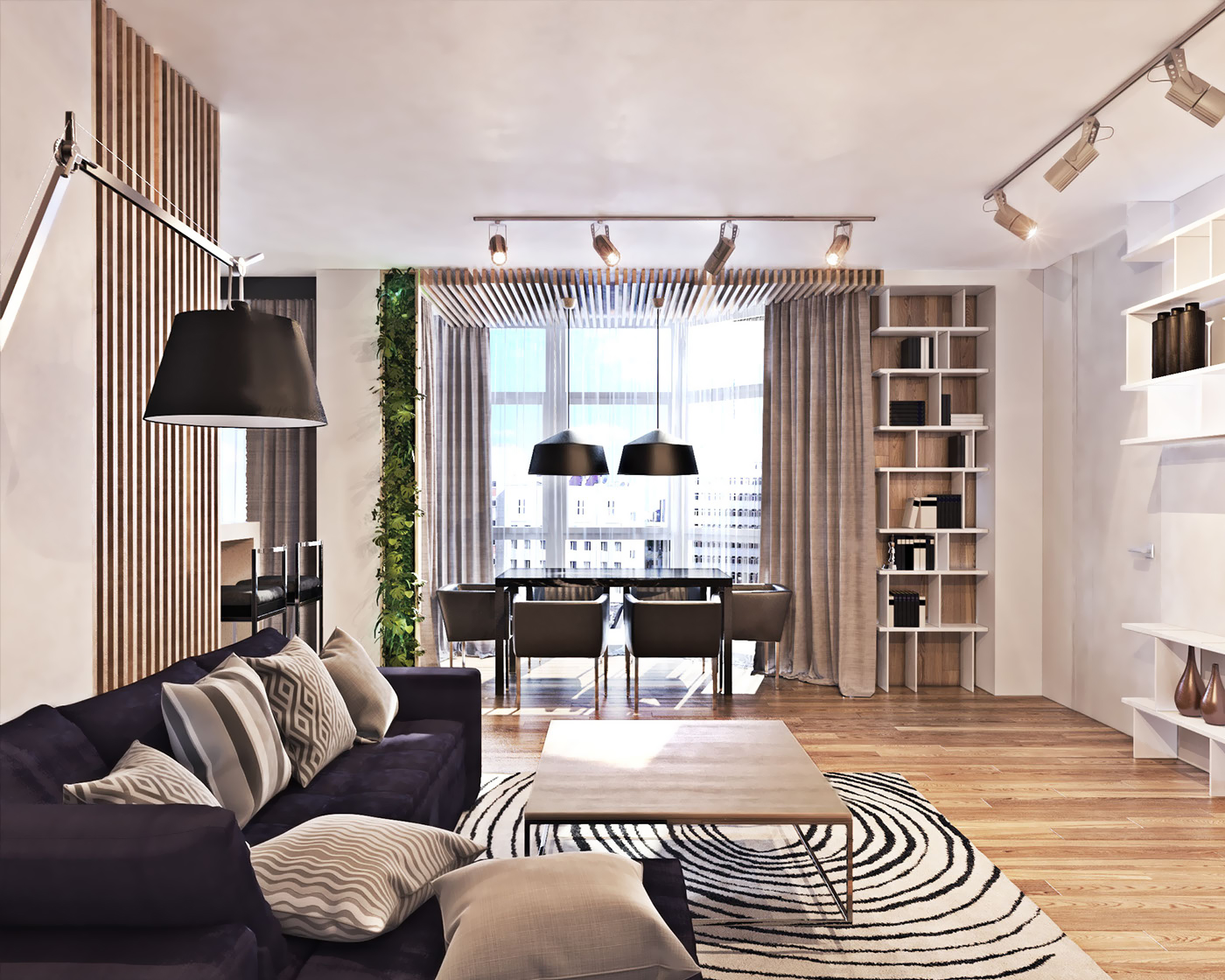
Consider a high-rise apartment designed around the concept of urban tranquility. The palette includes ash wood flooring, linen drapery, honed travertine walls, and brushed brass detailing. Each surface interacts with natural daylight, producing subtle shifts in hue throughout the day. The designer introduces wool rugs, clay pottery, and bronze sculptures to enhance tactility.
The result is not overt opulence but quiet luxury—a layered narrative of material honesty and emotional warmth.
The Future of Layered Materiality
As cities grow denser and digital life accelerates, people crave tangible experiences in their homes. The future of luxury design lies in slow materiality—spaces that invite touch, reward attention, and evolve with the people who inhabit them. Designers will continue to explore biophilic textures, 3D-printed materials, and hybrid composites that blur the line between nature and technology.
Layered materiality isn’t a fleeting trend—it’s the language of contemporary sophistication, uniting the tactile, visual, and emotional aspects of human-centered design.
FAQs
1. What makes layered materiality different from traditional material mixing?
Traditional mixing focuses on aesthetics, while layered materiality emphasizes sensory depth, context, and storytelling through textures and finishes.
2. How can small urban spaces benefit from layered materials?
Layering adds depth perception and warmth, making small interiors feel expansive and emotionally engaging without physical expansion.
3. Are layered materials more expensive to use?
Not necessarily. The cost depends on sourcing and craftsmanship. Reclaimed materials and locally sourced elements can reduce costs while enhancing authenticity.
4. What role does lighting play in layered interiors?
Lighting defines how materials are perceived. Layered lighting—ambient, accent, and task—reveals textures and enhances spatial drama.
5. Can layered materiality work in minimalist interiors?
Absolutely. In minimalism, the subtle interplay of a few well-chosen textures can replace ornamentation and enrich simplicity.
6. How can designers maintain harmony while using multiple materials?
Harmony comes from consistency in tone, temperature, or pattern scale. Designers often repeat subtle elements across the palette for balance.
7. What upcoming materials are shaping the next wave of layered interiors?
Expect to see bio-resins, mushroom mycelium panels, textured concrete composites, and digitally fabricated wood veneers shaping the future of sustainable luxury interiors.