The Evolution of Smart Kitchens: How Intelligent Design and Technology Are Redefining Culinary

Introduction
The kitchen has transcended its traditional role as merely a place to prepare meals—it’s now the digital nucleus of modern homes. With the rapid fusion of technology, design, and sustainability, smart kitchens are reshaping domestic life. No longer just about cooking, they focus on efficiency, connectivity, and experience. Homeowners are embracing innovations that combine artificial intelligence, intuitive design, and energy efficiency to create smarter and more interactive culinary spaces.
In this article, we explore the intricate evolution of modern kitchens, diving into how smart technologies, advanced materials, and design intelligence are redefining the heart of the home.
The Rise of the Intelligent Kitchen Ecosystem
A true intelligent kitchen is not just about connected gadgets—it’s about creating a responsive environment where design and technology complement each other. From adaptive lighting to data-driven energy management, these spaces learn and evolve based on user behavior.
Design and Digital Intelligence Converge
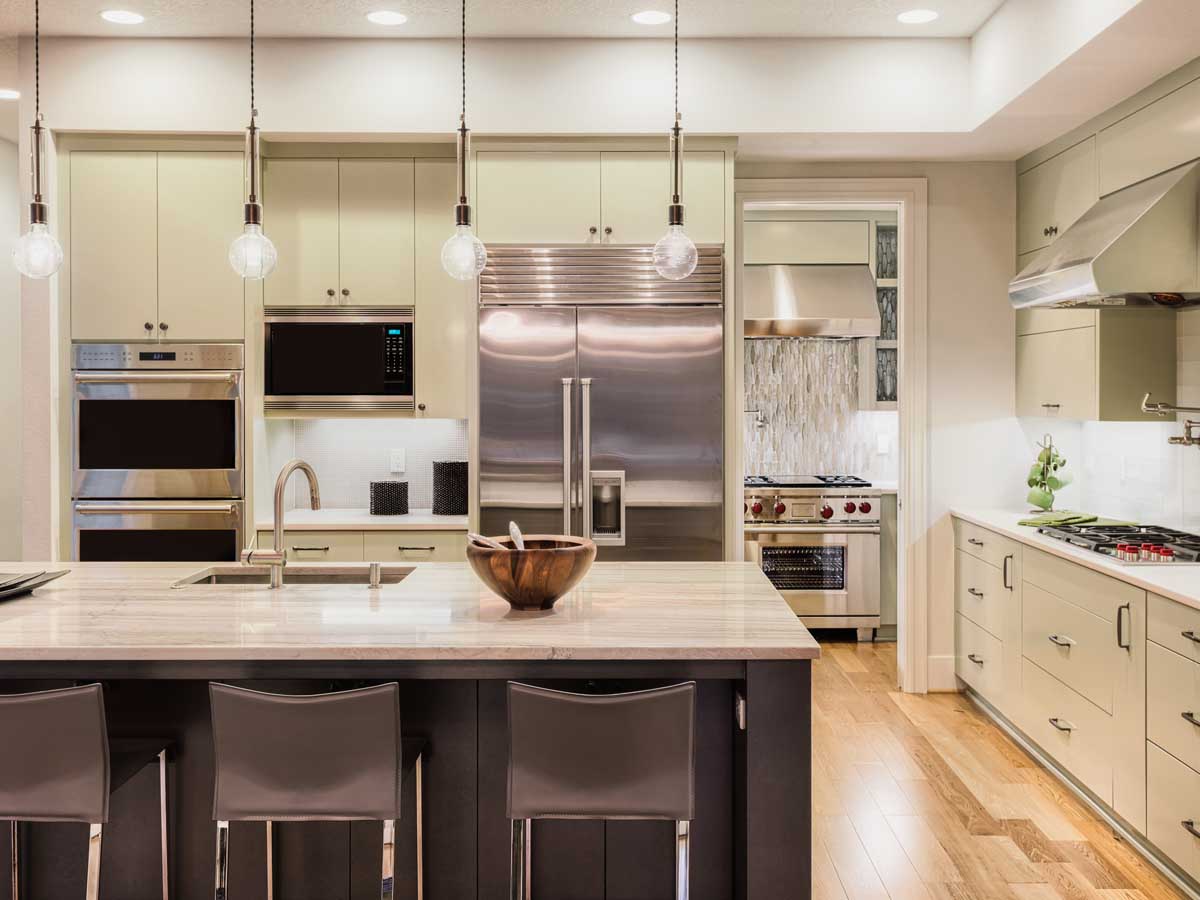
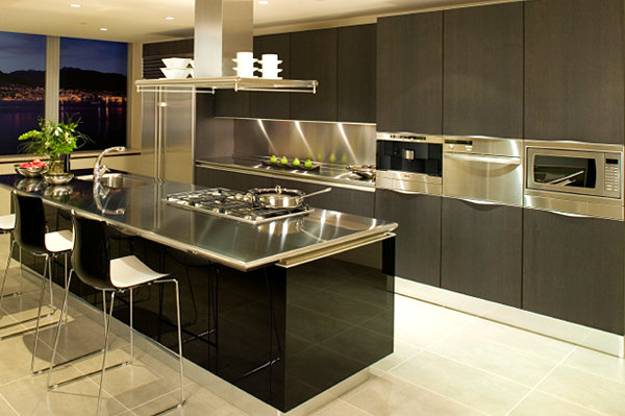
Today’s kitchen design is centered on integration. The minimalist aesthetic of modern kitchens is powered by invisible technologies that enhance functionality.
Notable innovations include:
-
Smart countertops with built-in scales and sensors to measure ingredients.
-
Motion-activated faucets that minimize waste and promote hygiene.
-
Induction surfaces hidden within counters for a clean, continuous layout.
-
Voice-controlled systems that manage lighting, ventilation, and appliances.
This design philosophy promotes both aesthetic harmony and operational efficiency, transforming the kitchen into a personalized workspace that anticipates needs.
AI-Powered Appliances: The Future Sous Chef
Artificial Intelligence has become the brain of the modern kitchen. AI-powered appliances don’t just follow commands—they adapt, predict, and learn from daily usage patterns to optimize performance.
Predictive Cooking Technology
AI-enabled ovens and cooktops can now detect the type of food being cooked and automatically adjust temperature, airflow, and duration to ensure perfect results every time. Advanced image recognition systems help appliances “see” what’s being cooked and make data-backed adjustments in real-time.
Personalized Culinary Assistance
Smart refrigerators analyze stored ingredients and expiration dates to suggest recipes, prevent waste, and even create grocery lists automatically. These AI systems provide personalized meal recommendations based on dietary preferences, allergies, and nutritional goals.
The result is a data-driven kitchen that minimizes guesswork and enhances creativity, giving home chefs the freedom to focus on experience rather than routine.
Sustainable Smart Kitchens: Efficiency Meets Conscious Living
Sustainability is at the heart of smart kitchen innovation. Homeowners today are more conscious of resource usage, waste reduction, and long-term ecological impact. Smart technologies enable precise control over water, energy, and food waste, promoting both cost savings and environmental responsibility.
Energy Efficiency and Smart Grids
Smart appliances are increasingly designed to communicate with home energy management systems, helping to reduce power consumption during peak hours. For example, dishwashers or induction cooktops can automatically shift their operation to off-peak energy periods.
Key sustainable features include:
-
Energy-efficient induction systems that use up to 30% less power than gas ranges.
-
Smart ventilation systems that optimize air circulation based on humidity and cooking patterns.
-
IoT-enabled meters that track and visualize energy consumption in real time.
Waste Management Through Automation
Automated composting systems are becoming a hallmark of modern sustainable kitchens. They convert organic waste into compost efficiently, while connected bins track disposal habits and send reminders for collection.
By merging sustainability with smart systems, the eco-intelligent kitchen not only minimizes waste but also encourages conscious consumption habits.
Material Innovation and Design Aesthetics
Beyond appliances and automation, the tactile experience of the kitchen has also evolved. Designers are experimenting with materials that are not only durable and sustainable but also responsive to environmental factors.
Smart Surfaces and Self-Healing Materials
Modern surfaces are embedded with nanotechnology that allows them to self-repair minor scratches or resist stains. Antimicrobial finishes enhance hygiene, while heat-sensitive materials adjust their texture or color for safety and aesthetics.
Ergonomic and Adaptive Design
Smart kitchens are deeply human-centric. Cabinets that lower automatically for accessibility, adjustable countertops, and modular storage units create a fluid environment that adapts to the user’s physical needs.
This evolution marks a shift from a one-size-fits-all approach to a personalized design ethos, where comfort, inclusivity, and sophistication coexist seamlessly.
Integration of IoT and Connectivity
Connectivity is the spine of the smart kitchen. The Internet of Things (IoT) connects every device—ovens, lights, refrigerators, and even trash bins—into a unified ecosystem.
Centralized Kitchen Management
Through mobile apps or voice assistants, users can now control and monitor all kitchen activities remotely. Imagine preheating your oven while driving home or receiving alerts when milk is running low—these conveniences are now standard features in connected homes.
Data-Driven Decision Making
Smart kitchens generate valuable insights into consumption and behavior. By analyzing data, users can adjust their routines to improve efficiency and reduce waste. Manufacturers are also leveraging this data to improve appliance design and functionality continuously.
The Emotional Intelligence of Modern Kitchens
An emerging frontier in kitchen design is emotional intelligence. Beyond function and form, kitchens are being designed to enhance mood and wellbeing through sensory engagement.
Mood-Based Lighting and Sound Integration
Adaptive lighting systems change color temperature based on time of day or user mood, while integrated sound systems create ambiance during cooking or dining. These subtle enhancements contribute to a more holistic and emotionally enriching experience.
Biophilic and Mindful Design
The inclusion of natural textures, vertical gardens, and organic materials connects users with nature, reducing stress and promoting mindfulness. The kitchen, once a task-oriented space, has become a therapeutic environment for creativity and relaxation.
The Future of Kitchen Innovation
As technology continues to advance, we’re entering the era of self-managing kitchens. These spaces will use AI, robotics, and biometrics to deliver unprecedented levels of convenience and personalization. Imagine robotic arms assisting with complex cooking, or smart tables analyzing nutrition in real time.
Future kitchens will emphasize predictive automation, sustainability, and emotional connectivity, redefining not only how we cook but also how we live.
Conclusion
The evolution of smart kitchens represents a pivotal shift in modern living. What was once a purely functional space is now a dynamic ecosystem of design, intelligence, and sustainability. As homes become smarter and lifestyles more interconnected, the kitchen stands at the forefront of this revolution—an embodiment of innovation, wellbeing, and human-centered design.
FAQs
1. What is the key difference between a smart kitchen and a traditional kitchen?
A smart kitchen integrates technology and design to automate and optimize cooking, storage, and energy use, offering more control and personalization than traditional setups.
2. How do AI-powered appliances improve cooking efficiency?
They adjust cooking parameters automatically, suggest recipes, and help prevent overcooking or waste through real-time feedback.
3. Are smart kitchens energy-efficient?
Yes, smart systems use energy analytics, adaptive consumption, and off-peak scheduling to minimize power usage.
4. What materials are best suited for smart kitchen design?
Nanotech-based, self-healing surfaces, antimicrobial finishes, and sustainable composites offer durability and hygiene.
5. Can smart kitchens reduce food waste?
Absolutely. Smart refrigerators and inventory apps track expiration dates and suggest recipes using soon-to-expire ingredients.
6. How does connectivity enhance the kitchen experience?
IoT enables remote control of appliances, synchronization of routines, and data-driven adjustments for efficiency.
7. What’s next in smart kitchen innovation?
The next wave will include robotic assistance, AI nutrition tracking, and emotionally intelligent environments that adapt to user moods.