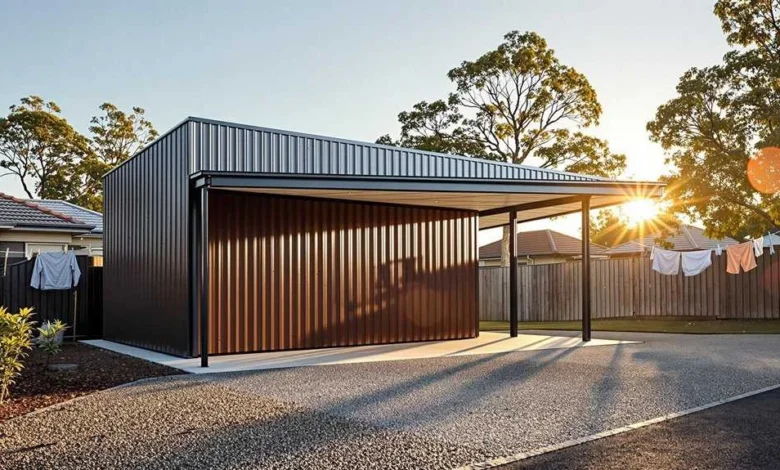
Building sheds in Perth requires more than choosing a size and location. Perth’s climate presents a unique mix of intense summer heat, strong winds, seasonal storms, and in many areas, salty coastal air. These conditions can shorten the lifespan of a shed if materials are not selected carefully. Choosing the right materials from the start helps ensure durability, lower maintenance, and long term performance.
Homeowners, trades, and rural property owners across Western Australia increasingly look for sheds that can handle these local conditions without constant upkeep. Understanding how different materials perform in Perth’s environment is the key to making a smart investment.
Understanding Perth’s Climate and Its Impact on Sheds
Perth experiences hot, dry summers, cooler winters, and strong winds throughout the year. Coastal suburbs are exposed to salt laden air, while inland areas face extreme heat and dust. Storms can bring heavy rain and sudden wind gusts that test structural strength.
Key environmental challenges include:
-
High UV exposure that breaks down finishes
-
Salt corrosion near the coast
-
Heat expansion affecting materials
-
Wind loads during storms
-
Moisture buildup during winter rainfall
Shed materials must be chosen to withstand these factors without warping, rusting, or degrading prematurely.
Steel as the Preferred Material for Perth Conditions
Steel has become the most popular choice for sheds across Perth due to its strength, versatility, and resistance to local environmental stress.
Advantages of steel sheds include:
-
High strength to weight ratio
-
Resistance to termites and pests
-
Ability to handle strong winds
-
Low maintenance compared to timber
Steel structures are engineered to meet Australian standards, making them suitable for both residential and commercial applications in Western Australia.
Galvanised Steel and Corrosion Resistance
Galvanised steel is widely used in Perth sheds because of its protective zinc coating, which helps prevent rust and corrosion.
Benefits of galvanised steel include:
-
Strong resistance to moisture exposure
-
Long lifespan in coastal and inland areas
-
Reduced maintenance requirements
-
Reliable performance in harsh conditions
For sheds located closer to the coast, galvanised steel provides an extra layer of protection against salt air, which can rapidly corrode untreated materials.
Pre-Finished Steel for Heat and UV Exposure
Perth’s intense sun places constant stress on shed surfaces. Pre-finished steel products with baked-on coatings offer improved resistance to fading, peeling, and heat damage.
These finishes provide:
-
Enhanced UV resistance
-
Improved heat reflectivity
-
Longer lasting colour retention
-
Additional corrosion protection
Lighter colour options can also help reduce heat absorption inside the shed, improving comfort and protecting stored equipment.
Roofing Materials That Handle Heat and Storms
The roof is one of the most critical components of any shed in Perth. It must manage heat, shed water efficiently, and remain secure during storms.
Common roofing considerations include:
-
Steel roofing with proper fixings
-
Adequate roof pitch for water runoff
-
Reinforced connections to resist wind uplift
-
Compatibility with insulation and ventilation systems
Choosing quality roofing materials and correct installation methods significantly reduces the risk of leaks and storm damage.
Insulation Materials for Temperature Control
Insulation is often overlooked but plays an important role in Perth sheds, especially those used as workshops or storage for temperature sensitive items.
Effective insulation options include:
-
Bulk insulation for roofs and walls
-
Reflective foil barriers to reduce radiant heat
-
Moisture resistant materials for durability
Insulation helps stabilise internal temperatures, reduces condensation, and improves usability throughout the year.
Ventilation Components for Airflow and Moisture Control
Good ventilation complements material choice by reducing heat buildup and moisture accumulation inside the shed.
Ventilation solutions include:
-
Ridge ventilation for heat escape
-
Wall vents for cross airflow
-
Roof vents to improve air circulation
-
Louvres or openings where appropriate
Well ventilated sheds protect materials, tools, and vehicles from heat and humidity related damage.
Flooring and Foundation Materials
The foundation supports the entire shed and must withstand Perth’s soil conditions and load requirements.
Concrete slabs are commonly used because they offer:
-
Stability under heavy loads
-
Resistance to moisture ingress
-
Long term durability
-
Ease of maintenance
Proper site preparation and drainage ensure the slab remains stable during heavy rainfall.
Fasteners and Fixings for Coastal and Wind-Prone Areas
Small components like fasteners play a big role in shed longevity. In Perth’s environment, standard fixings can corrode quickly if not chosen correctly.
Recommended fastener features include:
-
Corrosion resistant coatings
-
Compatibility with steel components
-
Secure anchoring to handle wind loads
-
Long term durability without frequent replacement
Using quality fixings reduces maintenance and improves structural integrity.
Wall Cladding Materials and Protection
Wall cladding protects the interior of the shed from wind, rain, dust, and heat. Steel cladding remains the preferred choice due to its strength and resilience.
Effective wall cladding characteristics include:
-
Resistance to impact damage
-
Minimal maintenance needs
-
Ability to withstand UV exposure
-
Compatibility with insulation systems
Properly installed cladding keeps sheds secure and weather resistant.
Doors and Access Materials That Last
Doors are high use components that must handle frequent opening, dust, and weather exposure.
Quality shed doors should offer:
-
Strong steel construction
-
Smooth operation under heat expansion
-
Secure locking mechanisms
-
Resistance to corrosion
Selecting durable doors improves both functionality and security.
Timber vs Steel in Perth Conditions
While timber sheds are still used in some settings, they generally require more maintenance in Perth’s climate.
Timber challenges include:
-
Susceptibility to termites
-
Warping under heat
-
Increased maintenance needs
-
Reduced lifespan near coastal areas
Steel remains the preferred option for long term performance and lower upkeep.
Fire Resistance Considerations
Fire risk is an important factor in Western Australia, particularly during dry seasons.
Steel sheds offer:
-
Non-combustible construction
-
Reduced fire risk compared to timber
-
Better protection for stored equipment
Material choice can play a role in overall property fire safety.
Matching Materials to Shed Use
The best materials depend on how the shed will be used. Storage sheds, workshops, and vehicle shelters may have different requirements.
Material selection should consider:
-
Intended use of the shed
-
Location and exposure level
-
Budget and maintenance expectations
-
Long term flexibility
Tailoring materials to usage ensures the shed performs effectively over time.
Long Term Cost and Value Considerations
Higher quality materials often come with higher upfront costs but deliver better value over the life of the shed.
Long term benefits include:
-
Reduced maintenance expenses
-
Longer lifespan
-
Improved functionality
-
Better property value contribution
Investing in suitable materials pays off in durability and peace of mind.
Frequently Asked Questions
Q: Are steel sheds suitable for coastal suburbs around Perth?
A: Yes. When using corrosion resistant steel and appropriate fixings, steel sheds perform very well in coastal environments.
Q: Does insulation really make a difference in Perth sheds?
A: Insulation significantly reduces heat buildup and condensation, improving comfort and protecting stored items.
Q: What roof colour is best for Perth heat?
A: Lighter coloured roofs reflect more heat, helping to keep shed interiors cooler during summer.
Q: Do sheds in Perth need to be engineered for wind?
A: Sheds should be designed to meet local wind load requirements to ensure safety during storms.
Q: How long can a well built shed last in Perth conditions?
A: With quality materials and proper installation, sheds can last several decades with minimal maintenance.