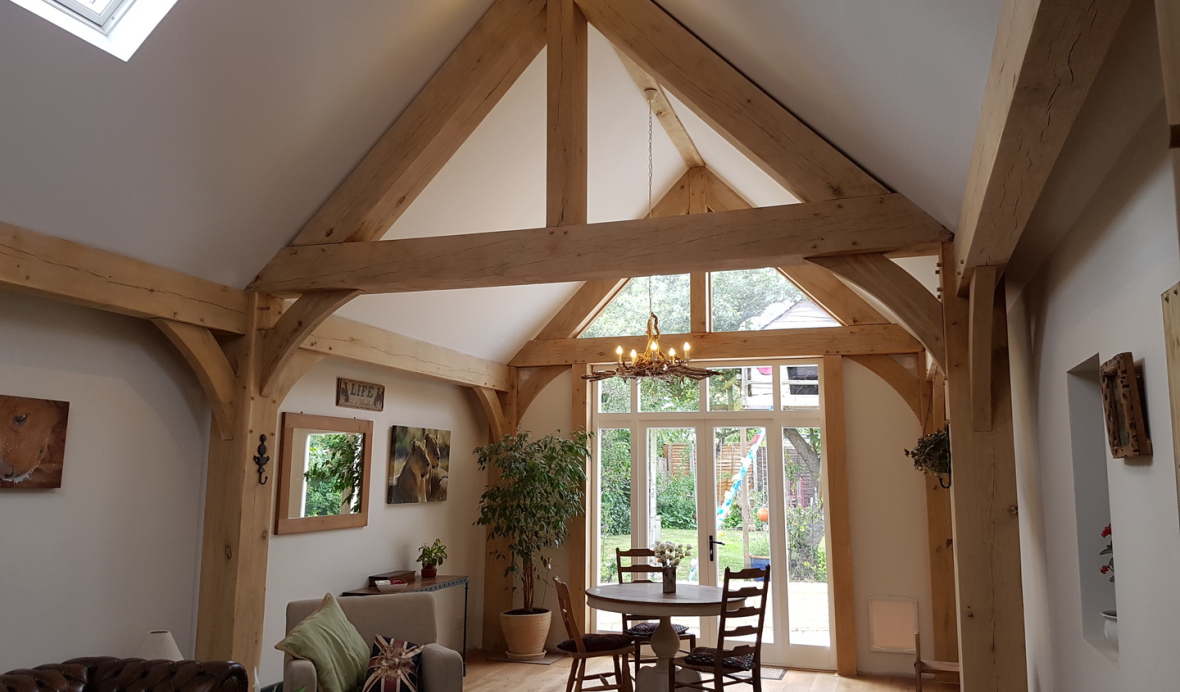
In the evolving landscape of home improvement, the focus has shifted from basic upgrades to intelligent transformations that align with sustainability, automation, and aesthetic innovation. Today’s modern homeowner seeks more than beauty — they aim for efficiency, adaptability, and smart integration that enhances lifestyle and long-term property value.
The Shift Toward Smart and Sustainable Living
Smart renovation represents a major evolution in how we approach home improvement. It combines cutting-edge technology, sustainable materials, and intelligent design to create living spaces that think, respond, and evolve with the people who inhabit them.
Why Smart Renovation Matters
-
Enhanced Energy Efficiency: Smart thermostats, adaptive HVAC systems, and intelligent lighting drastically reduce energy waste.
-
Personalized Comfort: Voice-controlled environments and motion-sensitive systems adapt to daily routines seamlessly.
-
Data-Driven Insights: Modern homes can analyze energy consumption, temperature patterns, and appliance performance for continual optimization.
-
Higher Property Value: Homes equipped with automation and green technology have increased market demand and resale potential.
Integrating Smart Panels with Renewable Energy
A major advancement in home improvement is the use of smart electrical panels. These panels interact with solar systems and energy storage units to distribute power efficiently. For example, when excess energy is generated during the day, the panel directs it to battery storage or electric vehicle charging points, ensuring energy independence and cost savings over time.
Adaptive Design: Multi-Functional Spaces for Modern Living
The concept of adaptive design has transformed how we perceive home layouts. Homes are no longer static; they are dynamic environments that cater to multiple purposes, from remote work to leisure.
The Power of Flexible Architecture
-
Smart Zoning: Replace traditional walls with sliding panels, movable partitions, or rotating walls that allow easy transformation of spaces.
-
Convertible Furniture: Beds that fold into walls, tables with storage solutions, and modular sofas maximize utility without compromising style.
-
Sound Zoning: Acoustic treatment using sound-absorbing materials and smart noise-canceling panels ensures privacy within shared spaces.
Adaptive design allows homeowners to future-proof their spaces. A living room can convert into a mini-theater, a study, or even a workout area — reflecting how flexibility defines the modern lifestyle.
Intelligent Lighting: The Overlooked Cornerstone of Smart Homes
Lighting plays a crucial role in both aesthetic and functional home design, yet it is often underestimated. Today’s smart lighting systems offer features far beyond illumination.
Innovations in Lighting Technology
-
Circadian Lighting Systems: Adjust color temperature and intensity throughout the day to match your body’s natural rhythms, enhancing focus and sleep quality.
-
Motion and Presence Sensors: Automatically adjust brightness levels based on occupancy, saving energy and reducing manual control needs.
-
Voice and App Control: Integration with assistants like Alexa or Google Home allows you to manage lighting remotely or through automation schedules.
-
Zonal Illumination: Assign specific lighting moods to each area — for reading, relaxation, dining, or entertainment.
By combining design principles with intelligent control systems, lighting becomes a core part of home personalization and sustainability.
Smart Kitchens: Efficiency Meets Innovation
The kitchen has evolved from a purely functional zone to the heart of the smart home. Integrating technology into this space boosts efficiency, safety, and user experience.
Essential Smart Kitchen Features
-
Touchless Faucets: Reduce water waste while improving hygiene.
-
AI-Driven Appliances: Ovens that adjust temperatures automatically and refrigerators that track expiry dates are now mainstream.
-
Smart Storage: Modular shelving units with humidity sensors preserve perishables longer.
-
Energy Optimization: Smart plugs and connected cooktops manage energy distribution intelligently, minimizing consumption.
A truly smart kitchen not only simplifies daily chores but also reduces operational costs and aligns with eco-conscious living.
Sustainable Materials and Green Technology
No smart renovation is complete without sustainability at its core. Beyond aesthetics, eco-friendly materials and energy-saving systems are essential for reducing environmental impact.
Eco-Friendly Renovation Ideas
-
Recycled and Low-VOC Materials: Use reclaimed wood, bamboo, and low-emission paints to enhance indoor air quality.
-
Water Recycling Systems: Greywater systems repurpose sink and shower water for garden irrigation.
-
Smart Irrigation: Automated systems connected to weather forecasts ensure efficient water usage.
-
Green Roofs and Walls: Improve insulation and enhance biodiversity within urban settings.
Adopting sustainable practices not only reduces the carbon footprint but also ensures long-term cost efficiency and healthier living conditions.
The Role of AI and Predictive Technology in Home Maintenance
One of the most significant advancements in modern home improvement is predictive maintenance powered by artificial intelligence. Sensors embedded within home systems can now anticipate issues before they occur.
Predictive Systems in Action
-
Leak Detection Sensors: Monitor plumbing networks and alert homeowners to potential leaks or bursts.
-
HVAC Predictive Alerts: Analyze temperature fluctuations and notify when a system needs servicing.
-
AI-Powered Security: Cameras with facial recognition and machine learning adapt to detect unusual activity.
-
Smart Waste Management: Automated bins that separate recyclables and track waste output help homeowners minimize environmental impact.
This proactive approach transforms maintenance from reactive repairs to strategic prevention, extending the lifespan of every system within the home.
Future Trends in Home Improvement
Looking ahead, home improvement will continue merging technology, design, and sustainability. Several emerging trends are shaping the homes of tomorrow:
-
Biophilic Design: Integrating nature into architecture for improved mental well-being and indoor air quality.
-
Home Energy Ecosystems: Combining solar panels, electric vehicles, and home batteries into one intelligent energy network.
-
AI Interior Design Tools: Artificial intelligence helping homeowners visualize, plan, and budget renovations effectively.
-
Smart Building Materials: Self-healing concrete, temperature-regulating tiles, and energy-generating glass panels are revolutionizing construction.
These trends point toward homes that are responsive, resilient, and regenerative — a testament to the innovation-driven future of home improvement.
FAQs
1. What is the main difference between smart renovation and traditional home improvement?
Smart renovation integrates advanced technologies and data-driven systems to enhance efficiency and adaptability, whereas traditional methods focus mainly on structural or aesthetic upgrades.
2. Are smart home renovations expensive to implement?
Initial installation costs can be higher, but the long-term energy savings, reduced maintenance, and increased property value usually outweigh the upfront investment.
3. How can homeowners ensure privacy with smart devices?
Use encrypted devices, secure Wi-Fi networks, and trusted brands that comply with data protection standards to maintain security.
4. Which room benefits most from smart renovation?
Kitchens and living rooms often benefit the most, as they combine convenience, energy optimization, and comfort through automation.
5. Can smart renovation improve home resale value?
Yes, properties with integrated smart systems generally attract more buyers and command higher market value due to sustainability and convenience features.
6. How do predictive maintenance systems actually work?
They use sensors and AI algorithms to monitor performance data and send alerts before potential issues become major repairs.
7. What’s the next major innovation expected in home improvement?
AI-driven building materials and fully self-regulating home ecosystems are expected to redefine the next decade of smart renovation.