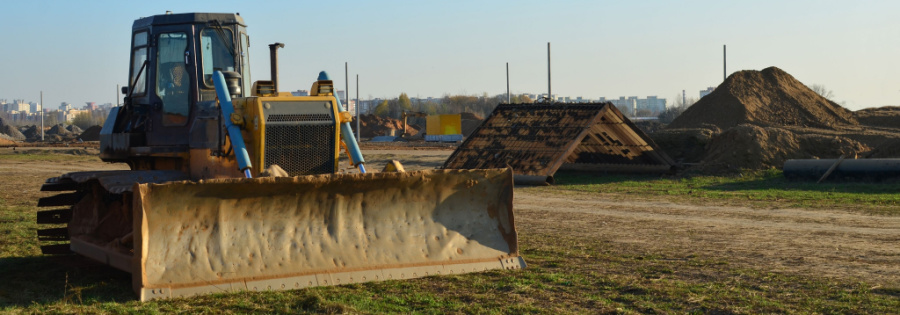
Preparing for a successful land clearing project requires careful planning, the right tools, and a clear strategy. Whether you’re managing a small residential lot or a large-scale development, the process lays the foundation for future construction. Commercial land clearing, in particular, demands precision and expertise to ensure safety and efficiency. In this blog, we’ll explore the key steps and best practices to set the stage for a seamless land clearing project.
Preparation is Half the Battle: How Preparation Works for Land Clearing
Crawling Before Soaring: Land Condition Assessment
Understanding the terrain is crucial to any commercial land clearing project that you undertake. Of course, assessing land conditions is a detailed process that considers not only these factors but also topography, soil type, drainage patterns, and existing vegetation. Climate can have a drastic effect on how water moves and how the land can be utilized. Soil tests can provide insights into not just the soil type but its compaction levels, pH ,and nutrient content, which are key for future land use, especially if agricultural activities are to be incorporated. In addition, existing vegetation should be mapped; invasive species may need different management approaches than native vegetation. The result is the detailed assessment stage, which forms the basis of the project plans and alerts the framework to potential roadblocks that may emerge during the clearing process — fostering a smoother operational flow.
Zoning and Permits: Understanding Local Regulations
There are no two ways to determine the legal requirements regarding zoning and permits during commercial land clearing projects. It is vital to understand local zoning laws, as these regulations govern how property can be utilized and typically determine whether a property can be used for residential, commercial, and/or industrial purposes. Depending on the size of the project, clearing typically requires obtaining permits, including environmental assessments, land-use permits and specific state or federal approvals. Early engagement with zoning boards and local environmental agencies can ensure that requirements are clear and that the approval process runs smoothly. Noncompliance with these regulations can lead to hefty fines, delays, and even the cancellation of projects. Beyond compliance, astute navigation can also build goodwill with local authorities and community stakeholders — benefits that may pay dividends as the project develops.
Eco-Friendly Practices: Striking a Balance with Nature
With sustainability at the forefront of more business practices these days, eco-friendly practices during land clearing are no longer just a positive action but a needed one. Responsible management of such operations is critical, as such clearings can destroy habitat and lead to erosive practices. Green practices are when only selected species are used indefinitely, and only the unnecessary plants are removed. Heavy equipment run on biodiesel fuel also reduces the carbon footprint of operations. Restoration enhances equally, such as replanting native species or establishing buffer zones adjacent to water bodies to mitigate erosion. Implementing green practices not only helps protect the environment but also helps companies grow their reputational capital, attracting a growing target group of environmentally conscious clients and customers.
Tools of the Trade: Choosing the Right Equipment for the Job
A Deep Dive into Heavy Machinery: What You Need to Know
Commercial land clearing relies heavily on machinery, and selecting the right equipment is essential. These include bulldozers, excavators, and even skid steers, all designed to perform different tasks. Dirt movers are the best at pushing large volumes of earth and clearing thick bushes and tree stumps. Excavators can dig and remove tree stumps with precision. The ability to be outfitted with different attachments from grapples to augers allows for a versatile operation with skid steers. The specific demands of a land clearing project—size, diversity of terrain, individual vegetation types—must be considered to choose the right combination of land clearing equipment and achieve optimal productivity. Also, knowing how to get the equipment to the job site and make it work on-site while identifying potential bottlenecks or accessibility overheads is critical to keep projects on track.
A Guide to Working with Hand Tools in Land Clearing
While machine equipment gets attention, hand tools also play a crucial role in land clearing, especially in areas where machinery cannot easily access or work. You need tools like chainsaws, axes and machetes to chop down smaller trees and shrubs to clear away underbrush. Also, high-visibility hand tools should always be included; they help with safety as workers can see where the equipment is, avoiding any accidents. When using hand tools it requires having a skilled labor force familiar with traditional clearing methods, which may have an even less environmentally damaging impact than heavy equipment. Techniques such as “shelterwood cutting,” in which only certain trees are removed to facilitate the natural regeneration of the remaining trees, demonstrate how the best implements are often those powered by human hands and that a tool such as an axe can be integral to the practice of sustainable land management.
Aided by Technology: The Use of Drones and GIS Mapping
These include drones and Geographic Information Systems (GIS) mapping to facilitate commercial land clearing. Drones can conduct aerial surveys over large tracts of land in a short period of time, providing highly detailed maps and 3D models that yield important information on key land features, vegetation density, and even the risk of landslides. This information enables teams to create precision clearing plans based on the specific needs of the site. On the other hand, GIS technology provides powerful tools for analytical techniques, integrating multiple data and displaying spatial relations to aid decision-making. Companies adopting this tech can enhance their operational efficiency, reduce their environmental footprint and maximize their resource utilization — all of which help them improve project results without costing an arm and a leg.
Clearing Strategies: Smart Approaches to Efficient Excavation
Selective Clearing vs. Total Clearance: Making the Right Choice
Selective Clearing Versus Total Clearance When it comes to commercial land clearing, one of the most important decisions that you’ll have to make is whether to go with selective clearing or total clearance. Selective clearing is the removal of some of the trees and vegetation at a site but leaving some behind. Any method that is resource efficient and not harmful to either the environment or human health. That said, it takes careful planning and skilled labor. In contrast, complete clearance involves removing all foliage, which is suitable for larger development and is required when starting from scratch. With consequences extending well beyond the clearing phase, this decision requires careful consideration of the land’s intended future use, environmental impact and the client’s objectives.
Timeline and Scheduling: Organizing for Effectiveness
For the most part, land-clearing is a matter of technique, tools, and scheduling and how long it takes to get it right. An effective schedule will ensure delays around weather disruptions, equipment and staff availability, and unexpected site conditions such as underground utilities or hidden hurdles that may require extra clearance work. Scheduling tasks appropriately allows a smooth workflow process, as some areas might still be cleared while others are completely cleared, so processes like soil stabilization may need to start. Project management software can encourage team communication, ensure deadlines are kept, and help re-evaluate timelines if the project parameters change. Ultimately, planning well creates projects on time and budget and reduces the costs of delays.
Clearing the Way: Recycling and Reusing Debris
Particularly in sustainable commercial land clearing processes, using effective debris management can take what may be perceived as waste and create value. Once clearing is done, debris, which includes fallen trees, branches, and other organic material can be processed and reused. Those measures may include chipping wood into mulch, using logs for erosion control where feasible and recycling as much material as possible. This not only helps reduce the amount of waste in landfills but also opens up possibilities for cost-efficient use in future landscaping and construction projects. An active approach to debris vertical shows a company’s sustainability commitment, which can lead to new profit streams from the sale of recycled materials. Developing comprehensive strategies to address debris can aid regulatory compliance, help with public relations and enhance a company in an eco-conscious market.
Safety First: Best Practices for a Secure Work Environment
Understanding Risks: Common Hazards in Land Clearing
While land clearing is essential, it comes with risks that must be carefully managed to protect workers and comply with health and safety laws. Common dangers include falling objects, equipment accidents, and environmental risks, like uneven ground or unstable terrain. Machines pose a threat to such operators in the form of serious, life-threatening injuries, which can be avoided if safety protocols and procedures are stringently followed. And bad weather may worsen existing hazards. Performing an in-depth risk assessment ahead of the project also allows teams to craft processes and training methods to alleviate these results. Training on safety is that they promote a culture of safety that ensures the operational safety and efficiency of a company while maintaining productivity levels without compromising on employee well-being.
Crew Members Training: How Vital Safety Procedures Are
Properly training crew members in safety practices is essential to ensure their health and to maintain an educated workforce. Training should encompass the operation of heavy machinery, correct use of personal protective equipment (PPE) and emergency protocols. Rehearsals can prepare workers to respond proactively to threats like equipment malfunction or injury. Additionally, cultivating an environment where safety is paramount fosters a culture of accountability, with team members feeling empowered - and responsible – to speak up about their concerns or make suggestions for better safety practices. Taking this kind of preventive action is not only minimizing the chance for accidents to occur but is also known to improve morale, leading to improved productivity levels and job satisfaction.
Preparedness & Response: Developing a Safety Action Plan
No land clearing plan is complete without an emergency preparedness plan. It is important to have a Safety Action Plan that summarizes what to do in case of an accident or injury, equipment failure, or bad weather. This should entail communication routes, meeting points, and access to first aid stations. The plan should be reviewed and updated regularly to ensure that all project team members are ready to address potential emergencies during the project. Companies can ensure compliance with regulations and take a step further in their commitment to worker safety and successful land clearing project outcomes by offering their employees comprehensive training and materials related to the Safety Action Plan.