Redefining Bathroom Luxury: The Fusion of Sensory Design and Wellness-Centered Architecture

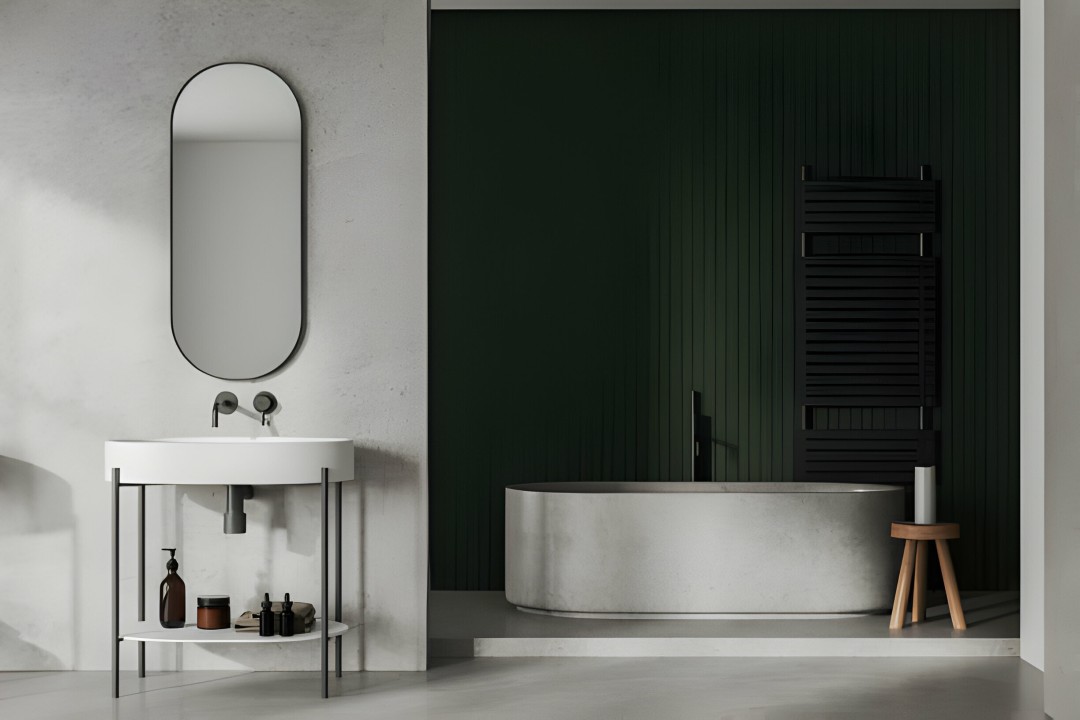
Bathrooms are evolving into personal wellness sanctuaries, where architecture, technology, and sensory experiences converge. No longer limited to hygiene or aesthetics, the modern bathroom has become a multisensory retreat—a place designed to restore the body and mind. This transformation is fueled by a new design philosophy that merges sensory design, human psychology, and advanced materials to create spaces that do more than look good; they feel good.
The Shift Toward Wellness Architecture
Designing for Emotional and Physical Wellbeing
Traditional bathroom design emphasized visual appeal—tiles, lighting, and fittings. However, wellness-centered architecture focuses on the human experience. Designers now consider how textures, acoustics, humidity, and even scent affect mental and physical health. The goal is to create a bathroom that balances stimulation and relaxation.
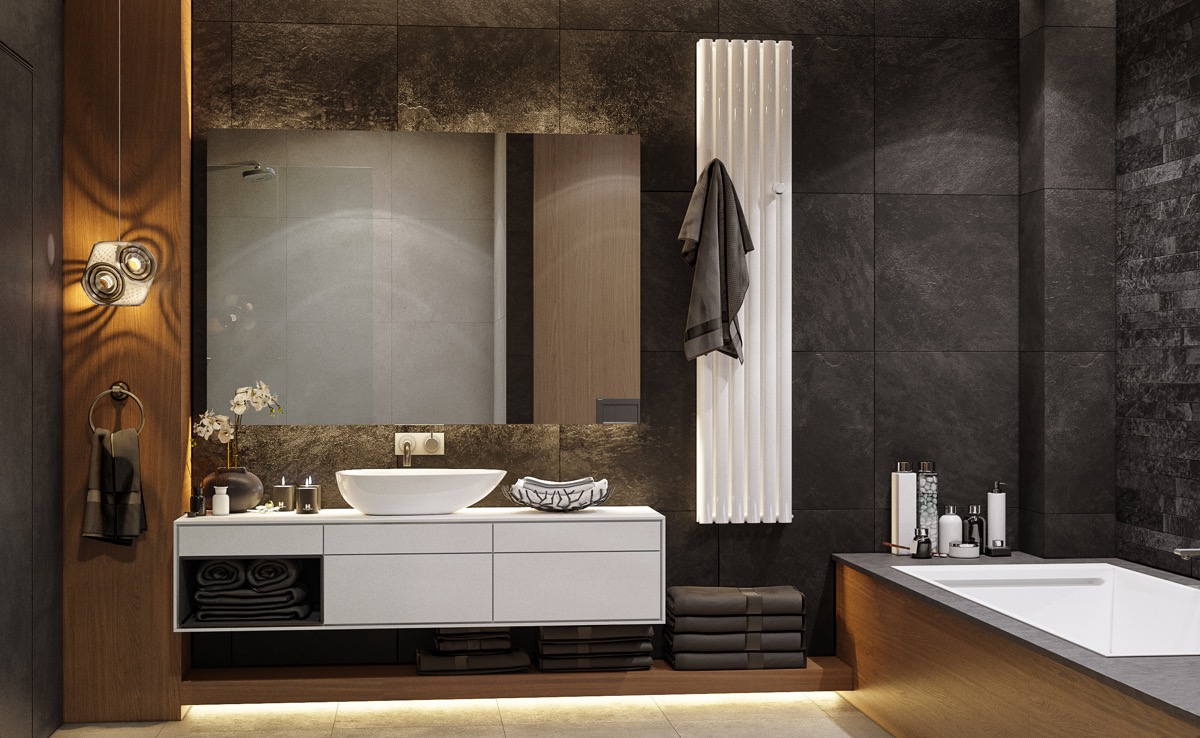
For example, the use of tactile materials like matte stone, bamboo, and micro-textured ceramics encourages a sense of calm and grounding. Soft-touch surfaces and ergonomic fixtures contribute to both comfort and safety, particularly in spaces intended for extended use.
The Science of Sensory Harmony
The concept of sensory design revolves around engaging all five senses. In the bathroom, this translates to the integration of temperature control, ambient lighting, natural sounds, and aromatherapy. Smart thermostats can adjust water temperature based on user preferences, while circadian lighting systems mimic the natural light cycle—energizing you in the morning and calming you before sleep.
Designers are also experimenting with acoustic insulation and diffused soundscapes, incorporating elements like rainfall audio or nature-inspired tones that enhance the emotional connection between the user and the environment.
Material Innovation and Sustainable Luxury
Beyond Aesthetics: Materials That Breathe and Heal
Material innovation is at the forefront of modern bathroom design. Surfaces are no longer chosen solely for their appearance but for their functionality and sustainability. Antimicrobial tiles, water-repellent coatings, and air-purifying finishes are redefining hygiene and longevity.
For instance, photocatalytic ceramic tiles use natural light to break down bacteria and odors, improving air quality without chemical cleaning agents. Similarly, thermo-reactive surfaces can subtly shift color in response to heat, creating an interactive visual experience while signaling optimal temperature for user comfort.
Circular Design and Resource Efficiency
Sustainability has moved from being a trend to a responsibility. The new wave of luxury bathrooms embraces circular design principles, using recyclable materials, water-saving systems, and modular fixtures that can be updated rather than replaced.
Advanced greywater recycling systems are gaining popularity, redirecting lightly used water from sinks to flush toilets or irrigate plants. Combined with low-flow faucets and aerated showerheads, they help homeowners reduce water waste without sacrificing comfort.
Brands are also adopting eco-conscious manufacturing, favoring carbon-neutral production and biodegradable packaging for accessories and toiletries—aligning luxury with ecological mindfulness.
The Role of Lighting and Atmosphere in Sensory Bathrooms
Dynamic Lighting for Mood and Function
Lighting design in modern bathrooms goes beyond illumination—it’s a tool for psychological influence. Dynamic or “human-centric” lighting mimics the body’s natural circadian rhythm, promoting relaxation and rejuvenation.
Soft, dimmable LEDs around mirrors enhance morning grooming routines, while warmer hues during evening baths create a spa-like ambiance. Designers are even incorporating chromotherapy lighting—colors scientifically proven to influence mood and energy levels. Blue tones calm the nervous system, while soft amber stimulates relaxation after a stressful day.
Integrating Natural Light and Ventilation
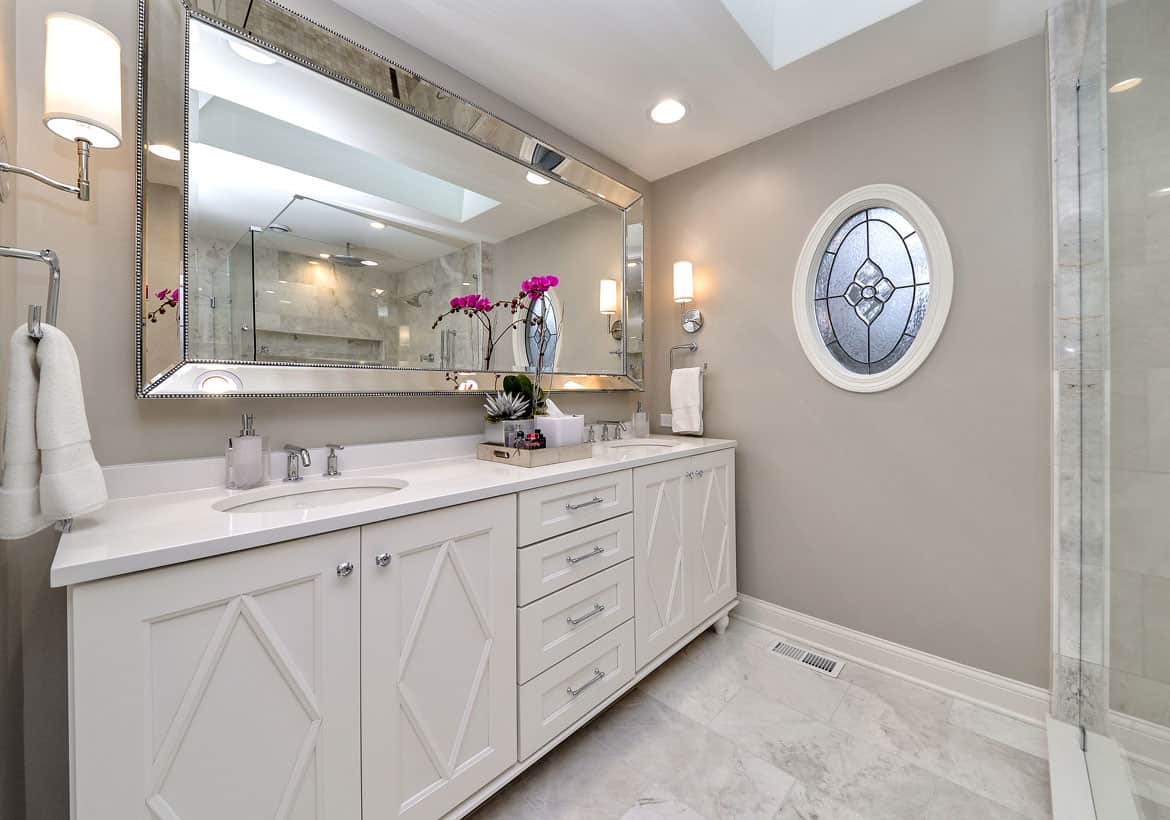
Nothing replaces the effect of natural light and fresh air. Architects are increasingly incorporating skylights, glass partitions, and indoor gardens to invite daylight and promote ventilation. This biophilic approach connects users with nature, improving mood and reducing humidity levels that often cause mold or mildew.
The inclusion of living walls—vertical plant installations that purify air and add organic texture—represents the pinnacle of the bathroom’s evolution toward a living, breathing environment.
Advanced Water Experiences: Hydrotherapy in Everyday Design
Beyond the Bathtub: Reimagining Water Interaction
Hydrotherapy, once confined to spas, has entered residential design. Advanced rainfall showers, body jets, and steam enclosures are redefining personal wellness by promoting circulation, detoxification, and relaxation.
Modern shower systems feature programmable pressure and temperature settings, allowing users to switch between energizing bursts and gentle mist modes. Some even integrate aromatherapy capsules or essential oil diffusers, merging scent therapy with water flow for a deeply immersive experience.
The Rise of Thermal Zoning
The concept of thermal zoning—separating hot and cool areas within the bathroom—creates microclimates for personalized comfort. Heated flooring, towel warmers, and thermal mirrors prevent condensation and add tactile luxury. Conversely, integrated cooling systems provide balance, ensuring a pleasant environment even in humid climates.
The Emotional Connection: Bathrooms as Restorative Spaces
Designing for Mindfulness and Ritual
A growing design philosophy treats the bathroom as a space of mindful rituals rather than routine hygiene. Every element—from the flow of light to the placement of fixtures—is curated to enhance presence and calm. Minimalist aesthetics paired with natural elements like stone basins, soft curves, and flowing water mimic the serenity of natural environments.
This shift underscores a deeper trend: people seek not only function but emotional resonance from their surroundings. Bathrooms are becoming spaces of reflection, relaxation, and rebirth—mirroring the human desire for balance amid modern chaos.
The Integration of AI and Predictive Design
Smart Personalization in Real Time
Artificial intelligence is the next frontier in bathroom evolution. AI-driven systems can learn user habits, automatically adjusting lighting, temperature, and even music based on time of day or mood.
For example, a smart mirror might dim the lights, play calming music, and start the bath at your preferred temperature when it senses stress indicators such as facial tension or elevated heart rate—turning data into daily rejuvenation.
Predictive Maintenance and Energy Monitoring
AI isn’t only about comfort; it also enhances sustainability through predictive maintenance. Connected plumbing systems can detect leaks, monitor water consumption, and notify homeowners before small issues become costly repairs. Combined with real-time energy monitoring, this ensures that luxury doesn’t come at an environmental cost.
FAQs
1. What is sensory design in bathrooms?
Sensory design focuses on stimulating multiple senses—sight, touch, smell, and sound—to create emotionally engaging environments that enhance comfort and relaxation.
2. How does wellness-centered architecture differ from traditional design?
Wellness-centered architecture prioritizes human wellbeing through air quality, lighting, acoustics, and material selection, rather than focusing solely on aesthetics.
3. Are smart bathrooms energy efficient?
Yes, most smart bathroom systems are designed with sustainability in mind. Features like automated lighting, temperature regulation, and water recycling minimize waste.
4. What are the best materials for a sensory-inspired bathroom?
Natural materials like stone, wood, and clay provide tactile comfort, while advanced composites like antimicrobial ceramics and eco-resins add hygiene and durability.
5. How can lighting improve the bathroom experience?
Human-centric lighting synchronizes with circadian rhythms, boosting energy in the morning and promoting relaxation in the evening.
6. What’s the benefit of hydrotherapy showers?
Hydrotherapy showers stimulate blood circulation, relieve muscle tension, and create a spa-like rejuvenation experience at home.
7. How can homeowners create a wellness-focused bathroom on a budget?
Start with smaller updates: introduce aromatherapy diffusers, soft lighting, water-efficient fixtures, and natural textures to evoke calm without a full remodel.