When surfaces are exposed to sunlight, the invisible but powerful ultraviolet rays begin a process of gradual breakdown. Whether it’s wood, metal, concrete, or plastic, long-term exposure leads to fading, cracking, discoloration, or weakening of the material. UV resistant polyurethane plays a critical role in preventing this damage by offering a barrier that absorbs or deflects these rays, preserving both function and appearance. Known for its versatility and strength, this type of coating has become essential across industries where outdoor durability matters.
UV resistant polyurethane is a formulation of polyurethane that includes additives or resins specifically designed to withstand exposure to sunlight. Unlike standard polyurethane coatings, which may yellow or degrade over time, the UV resistant version maintains clarity, color, and integrity even after prolonged outdoor use. It is widely used in marine, automotive, construction, and industrial settings, as well as in residential applications such as decks, outdoor furniture, and siding.
What makes this coating especially valuable is its ability to resist not just sunlight, but also other environmental elements. Many UV resistant polyurethanes offer excellent protection against moisture, chemicals, and abrasion, making them an ideal solution for surfaces that endure heavy wear and shifting weather conditions. Applied as a final layer, the coating acts as a shield that keeps the substrate underneath in peak condition.
Protective Qualities That Go Beyond Appearance
UV resistant polyurethane is often chosen for its aesthetic benefits, but its protective qualities reach far deeper than surface-level beauty. When applied to wood, for example, the coating prevents the graying and splitting that results from direct sunlight. It also keeps natural wood tones vivid, ensuring that color doesn’t fade into a dull or washed-out hue. This makes it a preferred option for everything from hardwood floors to exterior doors and shutters.
In metal applications, the coating helps prevent oxidation and rust, particularly in marine or coastal environments where salt and sunlight combine to create a corrosive atmosphere. The barrier formed by the polyurethane prevents moisture from penetrating the surface while shielding it from UV-related degradation. In the construction of architectural elements like aluminum facades or structural components, this dual protection enhances both performance and lifespan.
When it comes to plastics, UV resistant polyurethane is used to stabilize polymers that are naturally susceptible to UV damage. Without protection, plastic materials can become brittle or chalky, reducing their mechanical strength and flexibility. The application of a UV-stable coating ensures that these materials retain their original properties, even under constant sun exposure.
This combination of mechanical durability and environmental protection is a hallmark of polyurethane chemistry. The coating is engineered to bond well to various substrates and remains flexible enough to accommodate expansion and contraction due to temperature changes. It resists peeling, cracking, and bubbling, even when applied in high-traffic or high-stress environments.
Application Methods and Considerations
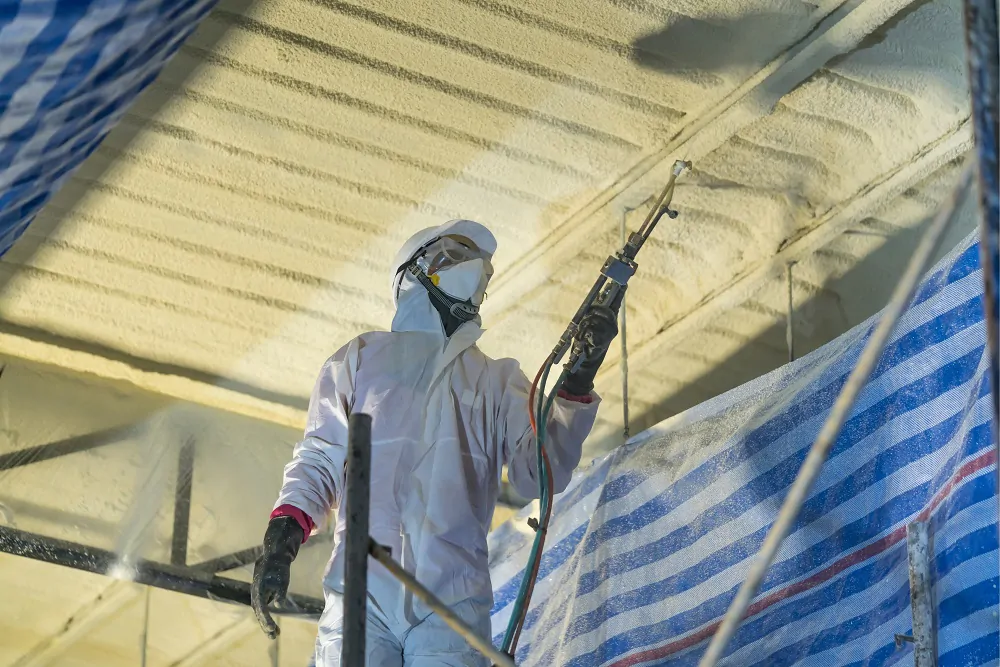
The success of a UV resistant polyurethane coating relies heavily on how it is applied. While the product itself is formulated for performance, improper application can lead to premature failure. Whether used by professionals or DIY enthusiasts, attention to surface preparation, ambient conditions, and product mixing is critical to achieving optimal results.
Most formulations come in one-part or two-part systems. One-part systems are easier to use and typically dry faster, making them ideal for small projects or residential use. Two-part systems involve a chemical reaction between a resin and a hardener, producing a tougher, more resilient finish that is preferred for commercial or industrial applications. The decision between the two depends on the level of durability required and the specific material being coated.
Before application, the surface must be clean, dry, and free from contaminants such as oils, dust, or old coatings. A properly prepared surface ensures maximum adhesion and uniform finish. In wood applications, sanding between coats can improve smoothness and help subsequent layers bond more effectively. On metal or plastic, mechanical abrasion or chemical priming may be used to create a better bonding surface.
Environmental conditions also matter. Temperature and humidity affect drying and curing times. Applying UV resistant polyurethane in high humidity can lead to a cloudy or uneven finish, while excessive heat may cause it to cure too quickly, trapping bubbles or leaving streaks. Manufacturers typically provide detailed instructions regarding ideal conditions for application.
Curing times vary depending on the formulation. Some coatings are dry to the touch in a few hours but may take several days to achieve full hardness and chemical resistance. During this period, surfaces should be protected from water, debris, and heavy use. Once fully cured, the coating offers a resilient surface that resists damage and retains its appearance for years.
Industrial and Commercial Uses for Long-Term Value
In commercial and industrial settings, UV resistant polyurethane is used not only to protect assets but also to meet regulatory standards and extend equipment life cycles. From aircraft exteriors to offshore drilling platforms, the coating plays a vital role in protecting high-value structures from the elements. Its resistance to chemical exposure and UV degradation makes it especially suitable for environments that are both demanding and remote.
In automotive and transportation sectors, the finish provides a protective layer over paint or raw materials, reducing maintenance costs and improving resale value. The clarity and gloss retention of UV resistant polyurethane make it a popular choice for vehicle wraps, trailers, and recreational vehicles. Its abrasion resistance also helps maintain aesthetics in areas where road grit and debris are frequent concerns.
The construction industry uses UV resistant coatings on exposed steel beams, curtain wall systems, and precast concrete elements. These surfaces benefit from the long-term color stability and moisture protection that the coating provides. In commercial spaces like shopping centers, theme parks, and public buildings, outdoor signage and decorative elements are often coated to prevent fading and wear.
Even in agricultural or manufacturing settings, equipment and storage tanks benefit from the application of a UV-stable finish. These environments are often exposed to both harsh sunlight and mechanical impacts, making the combination of durability and UV resistance critical to performance.
Long-Term Maintenance and Recoating Strategies
While UV resistant polyurethane is designed for longevity, no coating lasts forever. Over time, even the best formulations may begin to show signs of wear, especially in high-impact or constantly exposed environments. Regular inspections allow for early detection of any damage or thinning of the coating, giving property owners the chance to apply maintenance coats before failure occurs.
Recoating is often a straightforward process if the existing layer is intact. The surface is cleaned, lightly abraded, and a new layer is applied. This not only refreshes the appearance but reinforces the original protection. For environments with high sun exposure or intense mechanical activity, recoating every few years helps ensure that the underlying material remains safe from damage.
In many cases, UV resistant polyurethane outperforms other finishing systems in terms of lifespan and performance. Its ease of maintenance, combined with its versatility across surfaces and climates, makes it an investment that pays off in reduced repairs and longer-lasting aesthetics.