Why Every Home and Business Needs a Reliable Lock Safe

Security is no longer something people think about only after a problem happens. Whether you are protecting family heirlooms, sensitive paperwork, firearms, or business cash flow, a dependable lock safe plays a central role in modern security planning. It is not simply about locking items away. It is about controlling access, preventing loss, and creating a secure foundation for everything you value.
From homeowners in suburban neighborhoods to retail store operators in busy cities, the need for structured protection continues to grow. A properly selected and installed safe provides both physical security and psychological peace of mind. Understanding how safes function, what features matter most, and how to match one to your specific needs can make all the difference.
The Real Purpose of a Safe
A safe is designed to resist specific threats. These typically fall into three main categories:
-
Burglary
-
Fire
-
Environmental damage
Each of these threats requires different protective elements. Some safes focus heavily on theft resistance, while others prioritize fire insulation. The most effective approach is selecting a safe based on the risks you are most likely to face.
Protection Against Burglary
Burglary-resistant safes are constructed with reinforced steel walls, strong locking bolts, and anti-drill plates. They are designed to withstand forced entry attempts involving tools such as pry bars or drills.
The strength of a safe is influenced by:
-
Steel thickness
-
Door construction
-
Bolt configuration
-
Lock type
-
Anchoring method
A well-anchored safe with solid construction significantly reduces the likelihood of successful theft.
Fire Resistance
Fire-resistant safes use special insulation materials that keep the internal temperature below a certain threshold for a set period of time. Ratings typically range from 30 to 120 minutes.
This is particularly important for:
-
Legal documents
-
Paper records
-
Photographs
-
Digital storage media
Heat can destroy paper at relatively low temperatures, and electronic devices are even more sensitive. Choosing a safe with an appropriate fire rating ensures your contents survive unexpected disasters.
Environmental Protection
Humidity and water can damage valuable items just as quickly as fire. Some safes include waterproof seals or water resistance ratings. Even without built-in waterproofing, using desiccants or dehumidifiers inside the safe helps prevent corrosion and mold.
Different Types of Safes and Their Uses
Selecting the right safe begins with understanding the available categories and their intended applications.
Home Safes
Home safes are versatile and compact enough for residential use. They are ideal for storing:
-
Passports
-
Birth certificates
-
Jewelry
-
Emergency cash
Many models are designed to fit inside closets or mount within walls, allowing for discreet placement.
Gun Safes
Gun safes are specifically designed to store firearms securely. They often include adjustable racks, reinforced doors, and quick-access locking systems. In households with children, secure firearm storage is not only smart but legally required in many jurisdictions.
Fireproof Document Safes
These safes are optimized for paper protection. They are commonly used to store:
-
Insurance policies
-
Wills and trusts
-
Property deeds
-
Business contracts
Their internal insulation is engineered to keep temperatures below the combustion point of paper during a fire.
Commercial Safes
Businesses frequently use commercial-grade safes for cash management and sensitive data storage. Retail stores often rely on drop safes that allow employees to deposit cash without opening the main compartment.
These safes provide:
-
Controlled employee access
-
Reduced internal theft risk
-
Improved insurance compliance
Locking Mechanisms and How They Work
The locking system determines both accessibility and reliability. Each type offers unique advantages.
Mechanical Combination Locks
Mechanical locks operate using rotating dials and internal gears. They are highly durable and do not depend on batteries or power sources.
Key advantages include:
-
Long service life
-
Resistance to electronic failure
-
Minimal maintenance
They may require more time to open, but their reliability makes them a popular long-term solution.
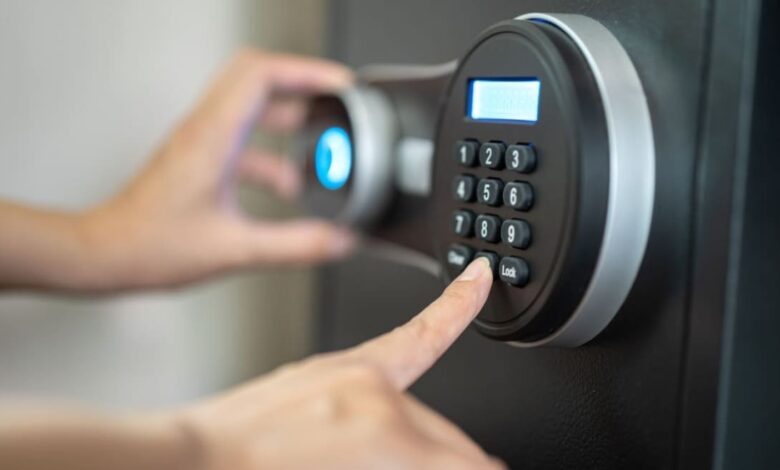
Electronic Keypad Locks
Electronic locks allow quick entry using a programmable code. They are widely used in both homes and businesses.
Benefits include:
-
Fast access
-
Easy code changes
-
Multiple user codes
Regular battery replacement is essential to prevent unexpected lockouts.
Biometric Locks
Biometric systems use fingerprint recognition for access. These are commonly used for quick-access firearm safes or offices with limited authorized personnel.
They provide:
-
Rapid entry
-
No need to remember codes
-
Personalized access control
Quality matters significantly with biometric locks. High-end models offer greater accuracy and reliability.
Key Locks
Key locks are simple and straightforward. They are typically found in smaller safes or used as secondary locking mechanisms.
The primary risk involves key management. Losing a key can require professional assistance to regain access.
Construction and Materials
A safe is only as strong as its build quality. Understanding materials and engineering design helps determine long-term durability.
Steel Gauge and Thickness
Steel thickness is measured in gauge numbers. Lower numbers indicate thicker steel. Thicker steel provides stronger resistance to drilling and prying.
For example:
-
12-gauge steel is stronger than 16-gauge steel
-
Reinforced door panels offer additional protection
Locking Bolts
High-quality safes feature multiple locking bolts that extend into the frame when secured. The more robust the bolt system, the more resistant the safe is to forced entry.
Look for:
-
Solid steel bolts
-
Multiple bolt directions
-
Anti-pry reinforcements
Internal Insulation
Fire-resistant safes use layered insulation materials that expand during high heat exposure. This seals the interior and protects contents from extreme temperatures.
If you are storing electronics, ensure the safe’s internal temperature rating supports sensitive equipment.
Installation and Placement
Where you place your safe directly affects its effectiveness.
Anchoring Is Essential
An unanchored safe can be removed entirely during a burglary. Securing it to concrete flooring or structural supports dramatically increases security.
Best practices include:
-
Using manufacturer-approved anchor bolts
-
Installing in low-visibility areas
-
Avoiding easily accessible entry points
Concealment Versus Visibility
Some people prefer visible safes as deterrents. Others choose hidden placement for discretion. Both approaches can be effective depending on the environment.
A concealed safe reduces the likelihood of discovery, while a visible safe can discourage opportunistic theft.
Accessibility Considerations
Consider how often you will access the safe and who needs entry. A safe that is difficult to reach may discourage consistent use, which defeats its purpose.
Matching a Safe to Your Needs
Choosing the right safe requires thoughtful evaluation. Consider the following factors:
-
Total value of stored items
-
Required fire protection duration
-
Available installation space
-
Number of authorized users
-
Desired lock type
For example, a small business owner handling daily cash deposits may prioritize burglary resistance and controlled employee access. A homeowner protecting family documents may prioritize fire resistance and discreet installation.
Ongoing Maintenance and Care
Owning a safe does not end after installation. Routine maintenance ensures continued reliability.
Routine Inspections
Check periodically for:
-
Smooth lock operation
-
Proper bolt extension
-
Door alignment
Battery Maintenance
For electronic safes, replace batteries annually even if they appear functional. This prevents unexpected access issues.
Humidity Control
Moisture buildup can damage firearms, documents, and jewelry. Use desiccant packs or small electric dehumidifiers to maintain a dry interior environment.
Common Mistakes to Avoid
Many safe owners unintentionally reduce security through avoidable errors.
-
Selecting a safe that is too small for future needs
-
Ignoring fire ratings
-
Failing to anchor the unit
-
Sharing access codes too freely
-
Storing items without protective packaging
Planning for future storage needs prevents overcrowding and ensures proper organization.
Frequently Asked Questions
How heavy should a safe be for residential use?
Weight depends on purpose. Smaller document safes may weigh under 100 pounds, while larger gun safes can exceed 500 pounds. Heavier models generally offer better burglary resistance, especially when anchored properly.
Can I install a safe on the second floor of a home?
Yes, but weight distribution must be considered. Large safes may require structural evaluation to ensure the flooring can support the load safely.
Do safes protect against floods?
Some safes offer water resistance ratings, but not all do. If flooding is a concern, look specifically for waterproof certifications or elevated installation options.
Is it safe to store digital media in any fireproof safe?
Not necessarily. Digital media such as USB drives and hard drives are more heat-sensitive than paper. Verify that the safe’s internal temperature rating meets electronic protection standards.
How often should a mechanical safe be serviced?
Mechanical locks can function reliably for many years, but professional servicing every few years helps maintain optimal performance and address wear.
What should I do if my electronic safe keypad stops working?
First, replace the batteries. If the issue persists, consult the manufacturer’s support or contact a qualified locksmith. Avoid forcing the lock, as this can cause further damage.
Are safes a substitute for a home security system?
No. A safe is one layer of protection. Combining it with alarm systems, surveillance cameras, and secure doors creates a comprehensive security strategy.
By carefully evaluating your risks, selecting high-quality construction, and installing your safe correctly, you establish a reliable defense against theft, fire, and environmental damage. A thoughtfully chosen safe is not just storage equipment. It is a long-term investment in protecting what matters most.